Medicine, I said, begins with storytelling.
Patients tell stories to describe illness;
doctors tell stories to understand it.
Science tells its own story to explain diseases.
Storytelling across campus
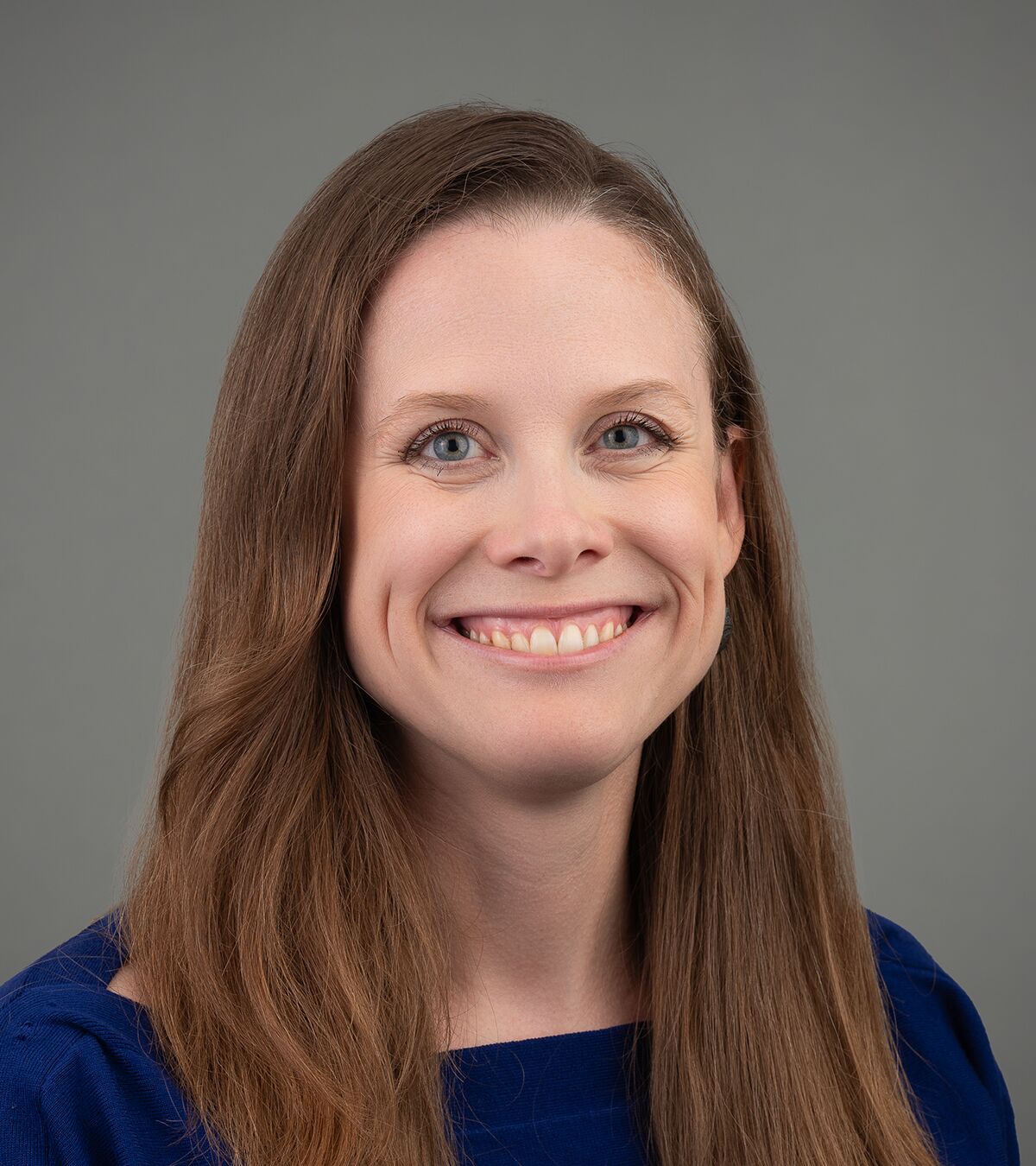
Dr Jessica Babal: What the medical humanities is to me, and why it is important:
The medical humanities is a learning approach used to explore health and illness through multiple lenses outside of the biological. Exploring how medicine intersects with human experiences through story, visual art, music, history, and more, is essential for providing quality healthcare. The medical humanities connects us with our humanity, invites us to broaden perspectives, and charges us to provide compassionate, holistic, and equitable healthcare. For me personally, it’s also a fun and engaging way to more fully understand medicine, myself, and the patients I meet.
Stories have been used since the beginning of human history to share knowledge and build communities. Stories illuminate the joys, sorrows, aspirations, and challenges people and communities face, and provide the opportunities for those doing the sharing and the telling to generate meaning and connection.
Stories in medicine are no different. When healthcare community members, patients, and families share their stories of joy and sorrow with one another, we are able to work together better toward a future in healthcare that promotes healthcare justice, compassionate healthcare experiences, and community thriving.
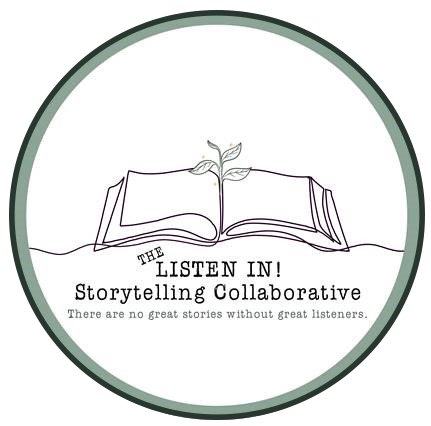
Oral storytelling provides a setting in which the storyteller can use their speech cadence, voice quality and volume, and body language, and more to move a story forward. It allows for ad lib turns in the story that can create surprise and excitement or cultivate new understanding of a story.
Several storytelling opportunities exist at UW SMPH, and we hope you’ll explore them here.
Listen In!
Is a storytelling collaborative, created by members of the University of Wisconsin School of Medicine and Public Health to generate storytelling programming and research.
The mission of Listen In! is to foster a sense shared humanity through storytelling that:
- Nurtures connection & compassion
- Encourages reflection & introspection
- Creates space for new perspectives
- Inspires meaning-making and growth
- Improves healthcare & healthcare delivery
Our goal is to tell stories that illuminate the challenges and growth experiences that healthcare team members, patients, and families face. Our collaborative is inter-disciplinary and offers regular events through the Department of Pediatrics and beyond with themes including “Second Chances,” “Roses, Buds, & Thorns,” and “Care & Comfort.”
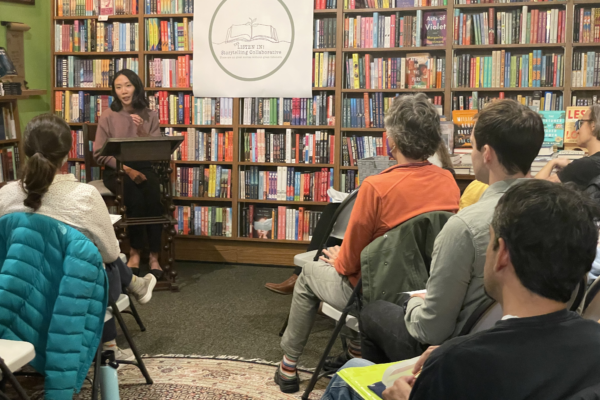
The Roots of Listen-In/Story Slam
After burning out in a pediatric emergency room, Jess Babal, MD, discovered The Moth podcast — and noticed she was connecting more deeply with patients, families, and colleagues. Inspired to bring that humanity to medicine, she joined faculty at the University of Wisconsin Department of Pediatrics and began embedding storytelling into departmental culture.
Collaborating with partners across SMPH, Wisconsin, and the upper Midwest, Babal founded the Listen In! Storytelling Collaborative to advance storytelling programming and research. In 2022, the Collaborative launched its inaugural Story Slam — now an annual departmental tradition.
Storytelling across campus
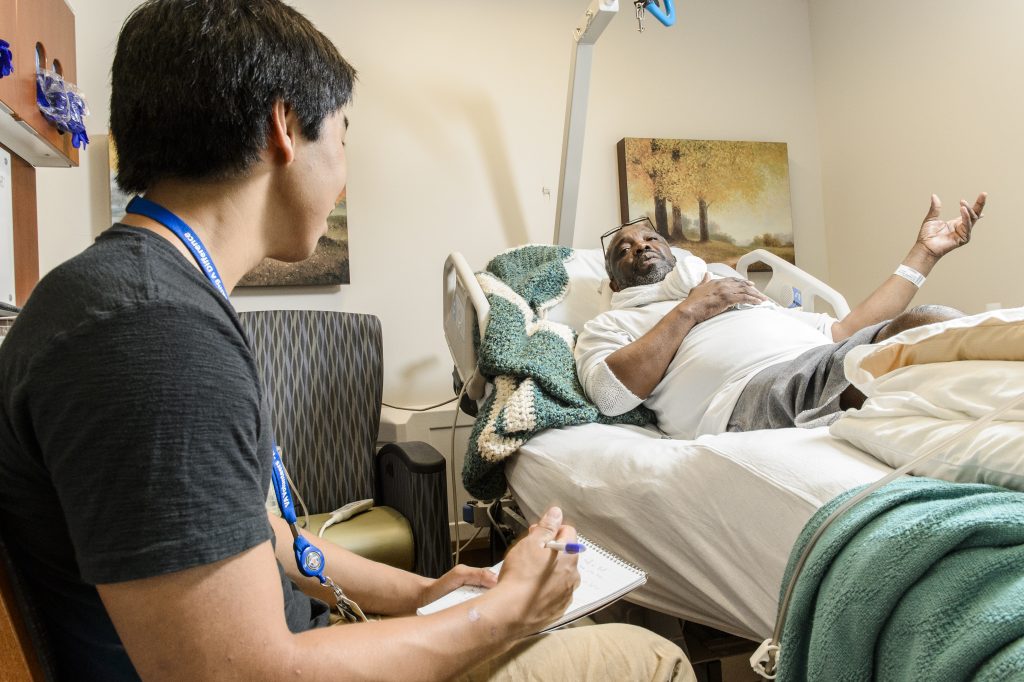
VA connects with patients through stories of survival
The Madison VA Hospital are trying to remind doctors that their patients are more than just a medical file through a program to highlight each veterans unique story of survival.
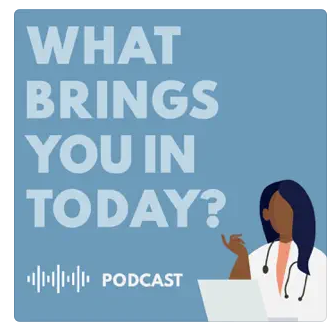
Podcast
Student Leading Students
On What Brings You in Today, UW–Madison Gradaute Students share stories and reflections about studying and working in medicine. WBYIT is a Narrative Medicine podcast produced by medical students at the University of Wisconsin School of Medicine and Public Health.
inclusion
Gold Humanism Honor Society
The Gold Humanism Honor Society (GHHS), launched in 2002 with support from the Robert Wood Johnson Foundation and The Berrie Foundation, recognizes students, residents, and faculty who exemplify compassionate patient care and humanistic leadership in medicine.
Podcast
In Each Episode…
Teachers, Toddlers, and Tissues breaks down what you actually need to know — with humor, heart, and a pediatrician on speed dial. Tune in for real talk on keeping little ones healthy, from vaccines to asthma to why sleep matters more than you think.