The purpose of art is to lay bare the questions that have been concealed by the answers.
Making and Music Across Campus
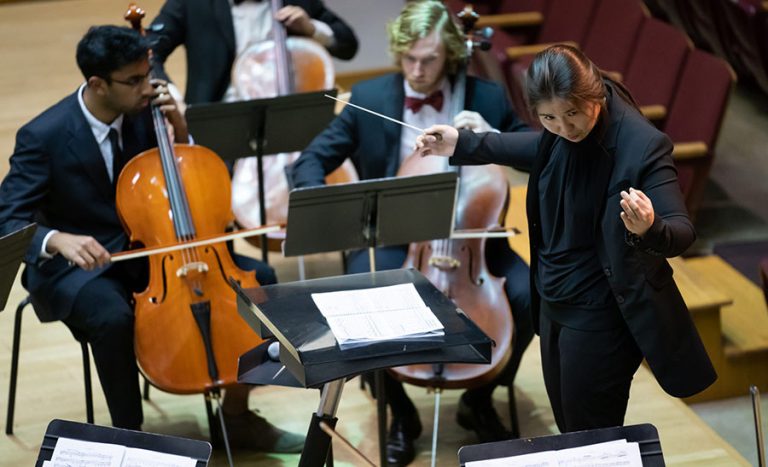
The Medical Sciences Orchestra
“Faculty, staff, and students from across the many disciplines of SMPH sit next to one another, working together in interprofessional teams collaborating to make music, so it’s a great way to build connections and community,” Petty says. “It’s also an important outlet for creativity and other aspects of wellness that are so important for our community. Several studies have shown practicing and thinking about music broadens your ability to think critically. Music can also prompt reflection of emotions like compassion and empathy in both performers and audience members.”
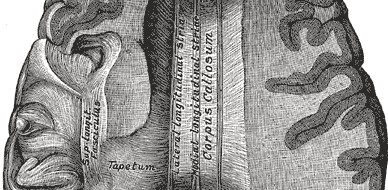
Corpus Callosum, Ebling Library’s Journal of the Arts
Corpus Callosum is the online arts journal of Ebling Library, in the UW–Madison’s School of Medicine and Public Health. Corpus Callosum showcases a variety of arts, from the written word to visual arts to multimedia; please note that the art published here does not necessarily represent or reflect the views or opinions of the Ebling Library or the UW–Madison.